

As a supplier of pineapple processing lines, I often encounter questions from customers about the versatility of our equipment. One of the most common inquiries is whether a pineapple processing line can be used for other fruit processing. In this blog post, I will delve into this topic, exploring the factors that determine the adaptability of a pineapple processing line to other fruits, the potential benefits and limitations, and provide some real - world examples.
Understanding Pineapple Processing Lines
Before we discuss the possibility of using a pineapple processing line for other fruits, it's essential to understand how a typical pineapple processing line works. A pineapple processing line usually consists of several key stages: sorting, washing, peeling, coring, slicing, and canning or juicing. Each stage is designed to handle the unique characteristics of pineapples, such as their tough outer skin, spiky crown, and fibrous core.
The sorting stage separates pineapples based on size, ripeness, and quality. Specialized sorting machines are equipped with sensors that can detect these attributes accurately. Washing is then carried out to remove dirt, debris, and pesticides from the pineapple surface. Peeling and coring are critical steps that require specific cutting tools designed to remove the tough outer layer and the fibrous core efficiently. Finally, the pineapple is sliced, diced, or juiced, depending on the end - product requirements. The sliced or juiced pineapple is then canned or packaged for further distribution.
Factors Affecting Adaptability
Physical Characteristics of the Fruit
One of the most crucial factors in determining whether a pineapple processing line can be used for other fruits is the physical characteristics of the target fruit. Fruits vary significantly in terms of size, shape, texture, and skin thickness. For example, pineapples are large, oval - shaped fruits with a tough, spiky skin. Apples, on the other hand, are round, smaller, and have a much thinner and smoother skin.
If the fruit has a similar size and shape to pineapples, it may be possible to use the same sorting and handling equipment. However, if the size and shape are vastly different, new equipment may be required for proper sorting and feeding into the processing line. Similarly, the peeling and coring equipment designed for pineapples may not be suitable for fruits with different skin and core structures. For instance, while pineapples have a fibrous core, strawberries have a small, soft center that does not require coring in the same way.
Chemical Composition
The chemical composition of the fruit also plays a role in processing. Different fruits have different sugar, acid, and pectin contents. These components affect the processing methods, especially in the case of juicing and jam - making. For example, fruits with high pectin content, like apples and quinces, are ideal for making jams, as pectin helps in the gel - forming process. Pineapple has a relatively low pectin content compared to some other fruits, so the juicing and jam - making processes may need to be adjusted when using the processing line for other fruits with different pectin levels.
Potential Benefits of Using a Pineapple Processing Line for Other Fruits
Cost - efficiency
If a pineapple processing line can be adapted to process other fruits, it can significantly reduce the capital investment for fruit processors. Instead of purchasing separate processing lines for each type of fruit, they can make use of the existing equipment. This not only saves on the initial purchase cost but also on the maintenance, training, and storage costs associated with multiple processing lines.
Diversification of Product Portfolio
Fruit processors can use the same processing line to produce a wide range of fruit products, such as pineapple juice, apple slices, and mango jams. Diversifying the product portfolio can help processors to meet the changing market demands and reduce their reliance on a single fruit product. It also allows them to enter new market segments and increase their overall market share.
Limitations of Using a Pineapple Processing Line for Other Fruits
Modification Requirements
As mentioned earlier, due to the differences in physical and chemical characteristics of fruits, a pineapple processing line may require significant modifications to handle other fruits. These modifications can be time - consuming and costly. For example, changing the cutting blades for peeling and slicing to suit the texture of different fruits may involve replacing the entire cutting unit. Additionally, adjustments may be needed to the pressure settings in the juicing machines to optimize the juice extraction for different fruits.
Quality Assurance
Using a single processing line for multiple fruits may pose challenges in terms of quality assurance. There is a risk of cross - contamination between different fruits, which can affect the taste, appearance, and safety of the final products. For example, if a pineapple processing line is used to process strawberries after pineapples, there may be residues of pineapple juice or pulp on the equipment that can contaminate the strawberries. Strict cleaning and sanitation protocols need to be in place to ensure the quality and safety of the processed fruits.
Real - World Examples
Jam Production
Some fruits can be processed into jams using a modified pineapple processing line. For instance, by adjusting the cooking and mixing parameters, a pineapple processing line can be used to produce jams from various fruits. The Fruit Jam Production Plant can be integrated with a pineapple processing line to create a more versatile fruit - processing solution. The sorting and washing stages of the pineapple line can be used for other fruits, and the cooking and filling equipment can be adjusted to make different types of jams.
Date and Papaya Processing
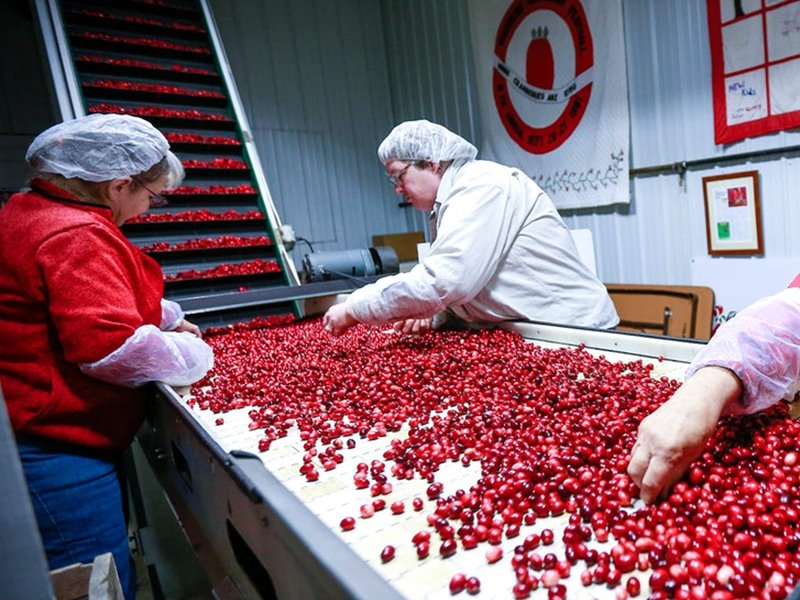
In some cases, a pineapple processing line can be adapted for date and papaya processing. Dates and papayas have different physical characteristics compared to pineapples, but with some modifications, the line can handle them. The Dates Processing Line and Papaya Processing Line can be customized based on the existing pineapple processing technology. For example, the peeling and slicing equipment can be adjusted to deal with the softer texture of papayas and the sticky nature of dates.

Conclusion
In conclusion, while a pineapple processing line has the potential to be used for other fruit processing, it is not a one - size - fits - all solution. The adaptability depends on various factors, including the physical and chemical characteristics of the target fruits, the required modifications, and the quality assurance measures. However, with careful planning and appropriate modifications, processors can achieve cost - efficiency and product diversification by using a single processing line for multiple fruits.
If you are interested in exploring the possibility of using our pineapple processing line for other fruit processing or have any questions regarding our equipment, we welcome you to contact us for a detailed discussion. Our team of experts is ready to provide you with customized solutions based on your specific requirements.
References
- "Fruit Processing Technology" by R. K. Robinson
- "Handbook of Food Processing Equipment" by P. J. Heldman and D. R. Lund