

In a food processing project, the machine price is important, but it is not the only factor. For fruit processing lines, coconut processing lines, puree production lines, juice concentrate plants, sterilization systems and aseptic filling lines, the real project value depends on line matching, process design, installation, commissioning, documentation, training and long-term operation stability.
At the early stage of a food processing project, many customers naturally start with one question: how much does this machine cost?
This is a reasonable question. Equipment purchasing is an important investment, and customers need to compare quotations. However, for a complete food processing line, the price of one machine is only part of the total project cost. What really affects long-term performance is whether the whole system is properly designed and matched.
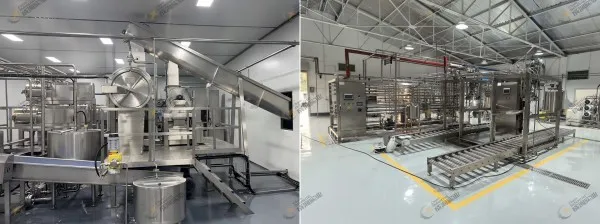
A food processing line is not simply a group of machines connected together. Washing, sorting, crushing, pulping, filtration, blending, sterilization, concentration, filling, cleaning and packaging all affect each other. If the front-end processing capacity does not match the sterilizer or filling system, the whole line may lose efficiency.
For example, the crushing and pulping result may affect downstream filtration and sterilization. The flow rate, sterilization temperature and holding time may affect aseptic filling stability. If the product has high viscosity, fiber or small particles, the pump, pipeline, valve structure and CIP cleaning design must be considered from the beginning.
Therefore, a lower machine price does not always mean a lower project cost.
In real production, customers also need to consider energy consumption, product loss, labor cost, cleaning time, maintenance cost and downtime. A cheaper machine may become more expensive in long-term operation if it causes unstable production, difficult cleaning or frequent stoppages.
Process design is also critical. Mango puree, tomato paste, coconut milk, apple juice and pineapple juice have different viscosity, fiber content, acidity and heat sensitivity. Even with the same capacity, the equipment configuration and process parameters may be different. If the configuration is simplified only to reduce the quotation, the project may face product quality fluctuation, poor cleaning results or unstable filling later.
Installation and commissioning should not be treated as minor services. After the equipment arrives at the customer's site, pipeline connection, electrical commissioning, CIP testing, steam and cooling water connection, product trial running and operator training are still required. For sterilization, evaporation and aseptic filling systems, proper commissioning directly affects whether the line can run continuously.
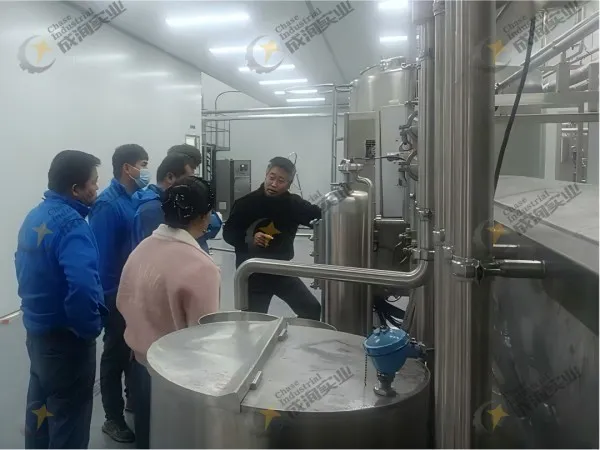
Complete project delivery documents are also important. Operation manuals, electrical drawings, pipeline drawings, spare parts lists, cleaning procedures and maintenance instructions help the customer manage the line after installation. Without clear documents and training, even remote support becomes difficult.
When comparing food processing equipment proposals, customers should look beyond the machine price. It is more important to check whether the supplier understands the process, whether the equipment is properly matched, whether installation and training are included, whether documents and spare parts are clear, and whether long-term remote service is available.
A food processing project is not just about buying machines. It is about building a stable production system that can support long-term operation and create value for the customer.