

A tomato paste processing line should be selected by raw material condition, product target, Brix, viscosity, concentration, sterilization, filling, and storage method.
When factories plan a tomato paste processing line, the first discussion often starts with the price of pulping machines, evaporators, sterilizers, and filling machines. These machines are important, but tomato paste processing should be designed as a complete line, not as a simple list of equipment.
The first factor is raw material condition. Tomato maturity, impurities, skin and seed ratio, and soluble solids can affect crushing, preheating, pulping, refining, and concentration efficiency. If the pretreatment section is unstable, the following concentration, sterilization, and filling sections will also be affected.
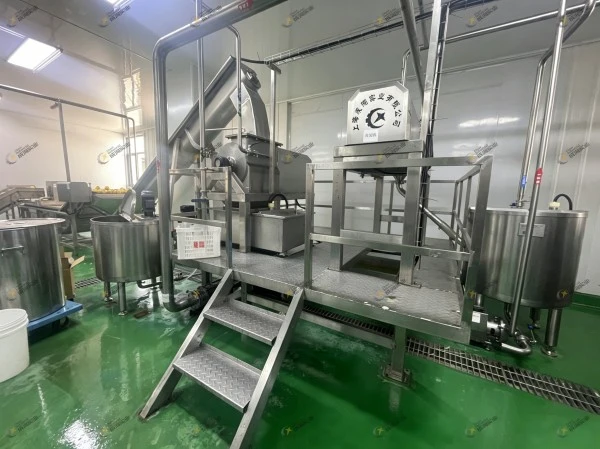
The second factor is the final product. Tomato pulp, tomato sauce, and concentrated tomato paste may require different fineness, viscosity, Brix target, fiber control, and packaging format. A product for seasoning production is not always designed in the same way as a bulk industrial ingredient.
Concentration is often a key part of the investment. The target Brix, product viscosity, fouling tendency, and heat sensitivity influence the evaporation system, heat treatment, pipeline design, and cleaning frequency. For higher viscosity products, pipe resistance, heat transfer efficiency, valve control, and CIP/SIP cleaning should be considered early.
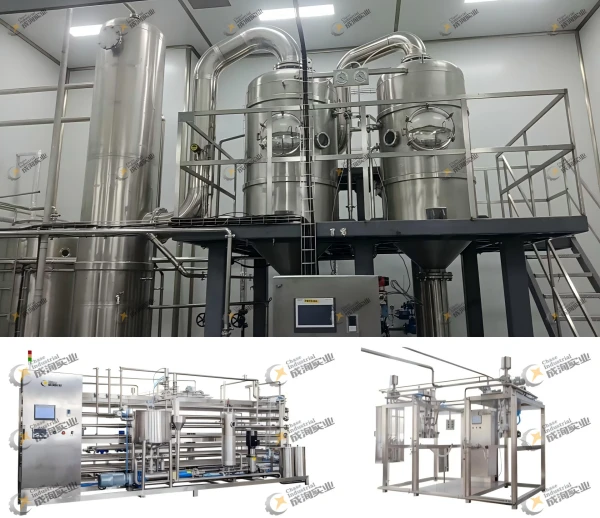
Sterilization and filling should be evaluated together. For bulk ingredient supply, tomato paste lines often need UHT tubular sterilization, aseptic tank buffering, and aseptic filling into 200L drum bags or larger aseptic bags. Packaging affects storage, transportation, downstream usage volume, and factory turnover.
Before requesting a final quotation, factories should confirm raw tomato condition, target product, Brix requirement, viscosity, planned capacity, sterilization method, packaging format, storage condition, plant layout, and utility conditions. With these details, the processing line can be designed closer to real production needs.